Cold weather exposes small problems quickly: a loose downspout can send meltwater toward the foundation, a drafty door can make one room uncomfortable, and an unprotected pipe can freeze during a cold spell. Knowing how to prepare your home for winter in Canada helps you focus first on the work that protects people, plumbing and the building itself.
You do not need to complete every improvement at once. Begin with safety and water control, then deal with heat loss, outdoor access and emergency supplies. If you rent, check your lease and ask your landlord which maintenance tasks are your responsibility.
Contents
- Start outside: keep water and snow away from the house
- Check heating, ventilation and indoor air safety
- Reduce drafts and prevent heat loss
- Protect pipes, plumbing and moisture-sensitive areas
- Prepare entrances, snow equipment and emergency supplies
- Make a simple winter maintenance plan
Start outside: keep water and snow away from the house
Water management is one of the best places to start. Clear leaves and debris from eavestroughs and confirm that downspouts direct water away from the foundation. Look for loose sections, damaged extensions and areas where water collects beside the home. Do not climb onto a roof or use a ladder in unsafe conditions; arrange qualified help when access is difficult.
Inspect the roofline, flashing, exterior walls and window frames for visible damage or gaps. You may not be able to assess every problem from the ground, but noticing a leak or opening early gives you more time to arrange a repair. Check outdoor taps, hoses and irrigation connections, and follow the equipment manufacturer’s instructions for seasonal shutoff or drainage.
Before snow arrives, make walkways, steps and handrails as secure as possible. Store outdoor furniture and loose objects that could be damaged by wind or ice. Keep a clear path to the main entrance, fuel or utility areas, and any exterior equipment that may need attention during a storm.
Check heating, ventilation and indoor air safety
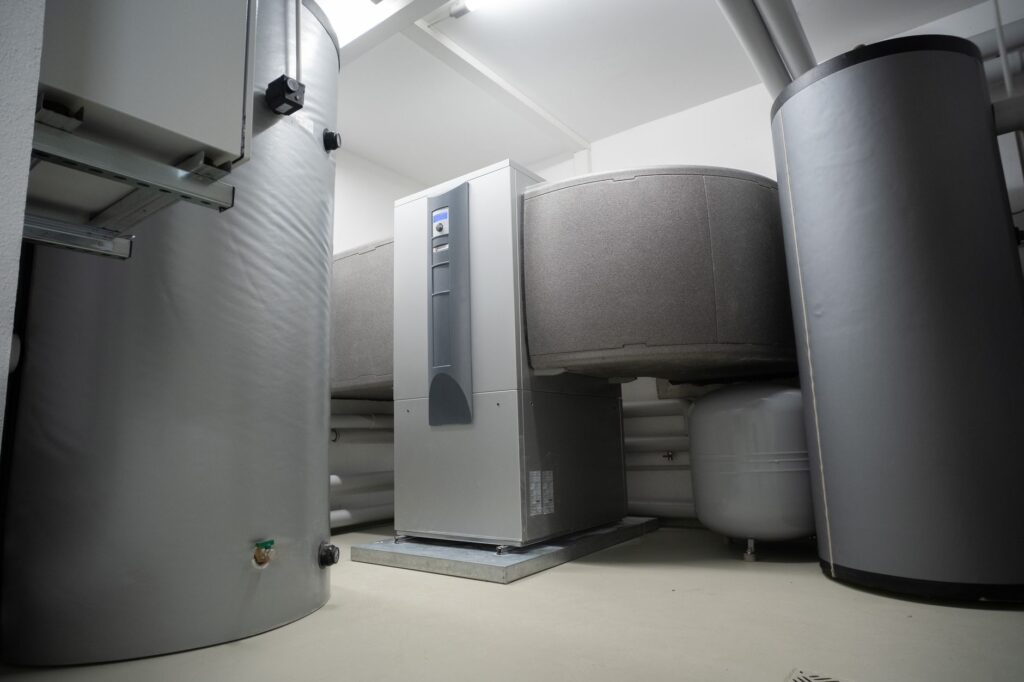
Your heating system deserves attention before you rely on it every day. Replace or clean filters according to the manufacturer’s instructions, keep supply and return vents clear, and check that warm air can circulate through the rooms you use. If the system is making unusual noises, producing unusual odours or failing to heat evenly, contact a qualified technician rather than waiting for a breakdown.
Fuel-burning appliances, fireplaces, chimneys and vents need safe operation and adequate airflow. Do not block vents or use an appliance for a purpose it was not designed for. Smoke alarms and carbon monoxide alarms should be present where appropriate, tested according to their instructions and replaced when required by the manufacturer. If an alarm sounds, leave the area and follow local emergency guidance.
Know how your main heating controls work, including any backup heat. If you use portable heaters, place them on a stable surface with clear space around them and follow the product instructions. Never use an oven or barbecue to heat a home.
Reduce drafts and prevent heat loss
Walk through the home on a windy or cool day and notice where air feels colder. Common trouble spots include door thresholds, window frames, attic access panels, electrical or plumbing openings, and the edges of attached garages. Weatherstripping, caulking or an insulated cover may help in suitable locations, but do not seal openings that are required for ventilation or equipment operation.
Window coverings can make rooms feel more comfortable, but they should not cover radiators, baseboards, vents or safety equipment. If a window has condensation, visible damage or a persistent leak, look for the underlying moisture problem instead of simply covering it. In older homes, upgrades may need to be planned with attention to ventilation and moisture movement.
Insulation projects vary widely by building design. Attics, basements, crawl spaces and exterior walls may each need a different approach. Get advice from a qualified contractor before disturbing insulation around wiring, recessed lighting or mechanical equipment.
Protect pipes, plumbing and moisture-sensitive areas
Locate the main water shutoff and make sure household members know where it is. Identifying it before a leak occurs can reduce confusion and damage. Look at plumbing near exterior walls, unheated garages, crawl spaces and other cold areas. Keep these spaces as warm as the building design allows, while following any requirements for ventilation and safe equipment operation.
During very cold weather, monitor rooms and areas that are difficult to heat. If you plan to be away, arrange for someone to check the home when appropriate and make sure they know how to reach you and shut off the water. Your insurer, property manager or plumbing professional may have specific advice for the property.
If you suspect a pipe is frozen, do not use an open flame to thaw it. Turn off the water if you can do so safely and contact a qualified plumber. A frozen section may already be damaged, and thawing can reveal a leak. Move electrical equipment away from water only if you can do so without entering an unsafe area.
Prepare entrances, snow equipment and emergency supplies
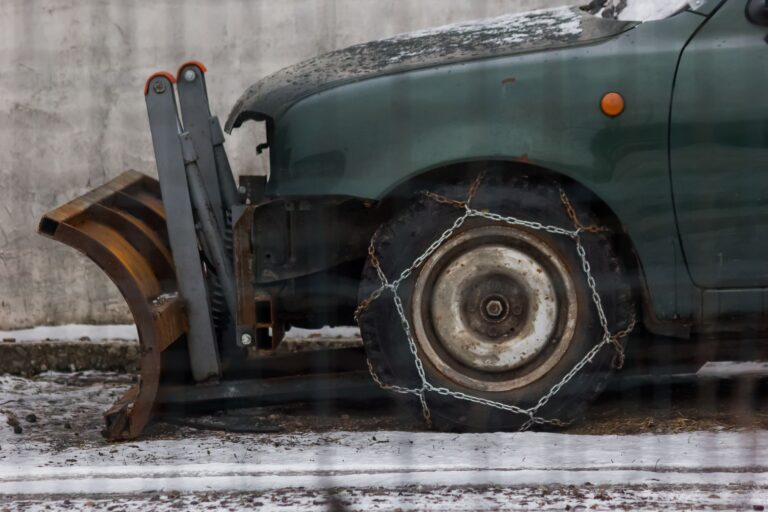
Winter readiness also includes the routines that make daily life safer. Check that exterior lights work, replace worn doormats and keep indoor floors protected from melting snow. Choose ice-control products and snow tools that suit your surfaces, and store them where they are easy to reach rather than behind equipment that may be inaccessible after a storm.
Keep basic supplies together in a place everyone can find. Useful items may include flashlights, spare batteries, warm blankets, bottled water, shelf-stable food, a first-aid kit, a battery or hand-crank radio, phone charging options and essential medications. Consider the needs of children, older adults, pets and anyone who relies on powered medical equipment.
If your home has a sump pump, backup pump or generator, understand how it operates before an emergency. Never run a fuel-burning generator indoors, in a garage or close to openings where exhaust could enter the home. Follow the product instructions and local safety guidance.
Make a simple winter maintenance plan
The most useful answer to how to prepare your home for winter in Canada is a short plan that matches your property and region. A coastal home may need extra attention to wind-driven rain, while a home in a heavy-snow area may require more planning for roof access and snow storage. A rural property may also need backup arrangements for heat, water or power.
Divide the work into three groups: do now, schedule soon and monitor during winter. “Do now” might include clearing drainage, checking alarms and locating the water shutoff. “Schedule soon” could include a heating service, roof repair or professional insulation assessment. “Monitor” may include indoor temperature, condensation, roof leaks and areas where snow piles against the building.
Keep records of repairs, equipment manuals and emergency contacts in one place. Take photos of existing damage before winter if you need documentation for a landlord, contractor or insurer. Revisit the checklist after the first significant storm and after any power interruption. Small, timely checks can help you respond before a minor winter problem becomes a major repair.