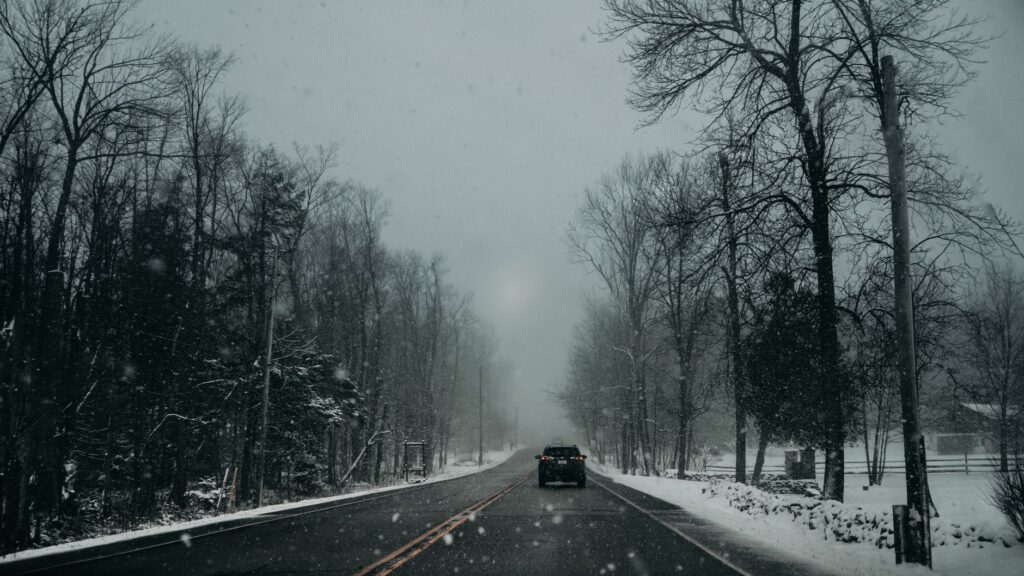
A clear road at the start of a trip can become snow-covered, icy or difficult to see within minutes. Knowing how to prepare for winter driving in Ontario means more than putting a scraper in the trunk: you need a roadworthy vehicle, suitable equipment, a realistic travel plan and habits that leave room for changing conditions.
Start early in the season, then repeat the most important checks whenever the weather changes. If a journey is not essential during a major storm, postponing it may be the safest decision. When travel cannot wait, preparation can help you make calmer choices and reduce avoidable problems.
Table of contents
- Prepare the vehicle before winter travel
- Pack a winter emergency kit
- Plan the trip around conditions
- Adjust your driving for snow and ice
- Protect visibility and manage distractions
- If you become stuck or stranded
- A simple pre-trip checklist
Prepare the vehicle before winter travel
Winter driving begins with the condition of the vehicle. Cold temperatures can expose weak batteries, worn wiper blades, low fluid levels and tire problems that may not be obvious during milder weather. Arrange an inspection or maintenance appointment if you are unsure about the condition of an important system.
Pay particular attention to the parts that affect traction, stopping and visibility:
- Tires: Check tread, visible damage and pressure. Pressure can change with temperature, so use the vehicle manufacturer’s recommended pressure as a reference rather than relying on appearance.
- Battery: Ask about battery condition if the vehicle has been slow to start or the battery is older. A weak battery can become a serious problem when temperatures drop.
- Fluids: Keep the fuel level at a sensible level for the trip and use cold-weather windshield washer fluid suitable for the expected conditions. Check engine coolant and other fluids according to the vehicle manual.
- Wipers and lights: Replace streaking or damaged wipers and confirm that headlights, brake lights, turn signals and hazard lights work. Clean snow and ice from light lenses before driving.
- Brakes and steering: Have unusual noises, pulling, vibration or changes in braking checked rather than assuming they are caused by the road.
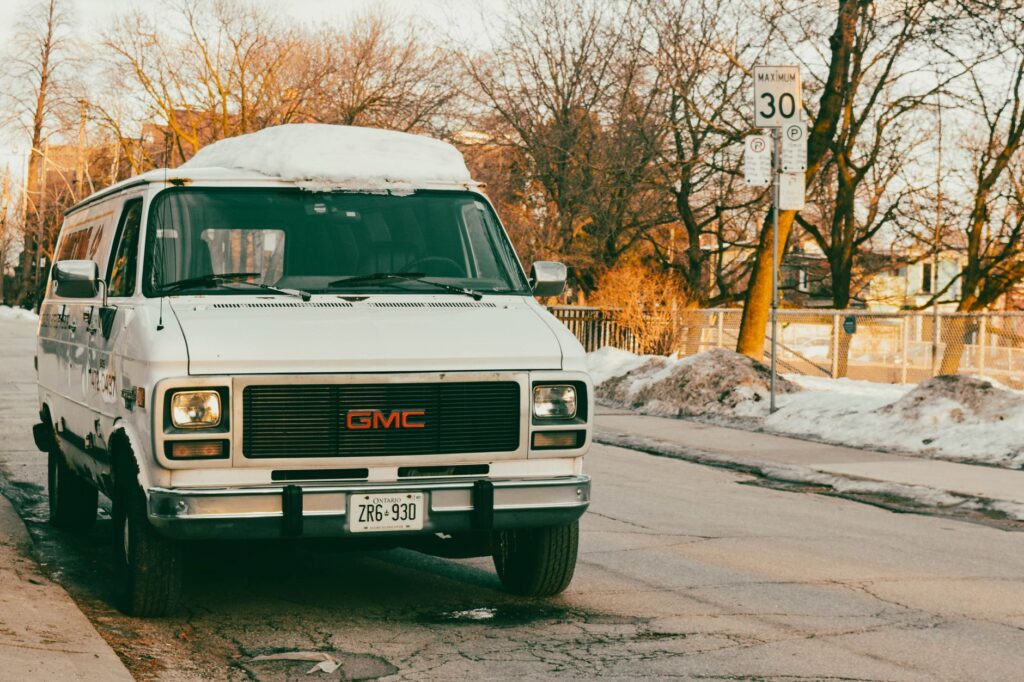
Winter-rated tires can provide useful traction in cold conditions, snow and on some icy surfaces. Tire choice should match your vehicle, driving pattern and local conditions. Ontario rules and insurance practices can change or vary by situation, so check current official guidance and your policy instead of assuming that one tire rule applies to everyone.
Pack a winter emergency kit
A winter kit is not a substitute for maintenance or good decisions, but it can make a delay less difficult. Pack supplies before the first serious storm and replace anything that has been used or expired.
- Snow brush and ice scraper
- Warm coat, gloves, hat and extra clothing
- Blanket or other warm covering
- Flashlight and spare batteries, or a charged rechargeable light
- Phone charging cable and a power bank
- Water and shelf-stable snacks
- Basic first-aid supplies
- Small shovel and material that may help with traction
- Booster cables or a suitable portable booster, if you know how to use them safely
- Reflective or high-visibility item for roadside visibility
Keep the kit where it can be reached if the trunk is difficult to open or luggage is packed around it. Make sure passengers know where the warm clothing and light are stored. If you travel with children, older adults, pets or someone with medical needs, adapt the supplies to the people in the vehicle.
Plan the trip around conditions
Before leaving, check the forecast and current road information for the full route, not just the conditions outside your home. A trip may pass through areas with heavier snow, freezing rain, strong winds or reduced visibility. Ontario 511 can help you check current road information, including incidents and closures, before travelling.
Build extra time into the journey and tell someone your route and expected arrival when conditions are poor. Charge your phone, keep the vehicle fuelled appropriately for the distance and identify places where you could safely stop if the weather worsens. If the route includes remote stretches, assume that assistance may take time to arrive.
Consider whether the trip is necessary at that moment. Work schedules, appointments and deliveries may create pressure, but a delay can be preferable to travelling when visibility is poor or roads are deteriorating quickly. Do not let a fixed arrival time encourage speeding or risky passing.
How to prepare for winter driving in Ontario when roads change
On snow and ice, smooth and deliberate inputs matter. Reduce speed before curves, intersections, hills and areas where vehicles may have polished the surface. Leave substantially more space than you would on a dry road so you have time to brake gradually.
Keep both hands available for steering, scan farther ahead and avoid sudden acceleration, braking or lane changes. Use a lower speed rather than depending on electronic driver-assistance features to compensate for poor traction. Cruise control can reduce your ability to respond smoothly when traction changes, so many drivers choose not to use it on slippery roads.
Bridges, ramps, shaded areas and intersections can freeze sooner or remain slippery longer than nearby pavement. Black ice may be difficult to see. If you suspect the road is slick, slow down without abrupt steering or braking and increase the space around your vehicle.
Share the road with snowploughs
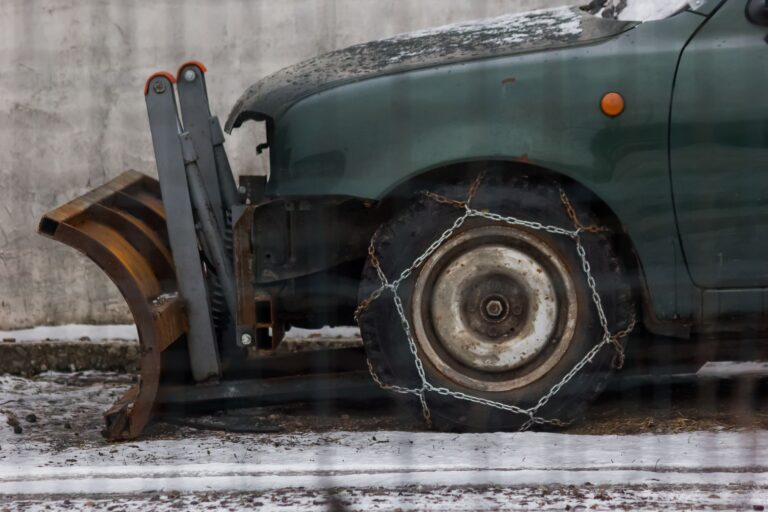
Snowploughs may create clouds of snow, have limited visibility and need room to move. Their blades or equipment can extend beyond the vehicle, and the road immediately behind or beside a plough may be less clear than it appears. Give them extra space and avoid passing unless you can do so legally, safely and with clear visibility.
Do not follow so closely that you cannot see beyond the plough or react to sudden changes. If a plough is approaching in the opposite direction, reduce speed and be prepared for blowing snow or snow pushed across the roadway.
Protect visibility and manage distractions
Clear every window, mirror, light and the roof area before moving. Snow left on the roof can slide forward onto the windshield or blow onto other road users. Do not rely on a small cleared patch of glass, and do not drive with a windshield that is still fogged or iced.
Keep the windshield washer reservoir filled with suitable winter fluid and replace wipers that leave broad streaks. If the glass fogs, use the vehicle’s defrost and ventilation controls and wait until you can see properly. Sunglasses can also help with glare from snow during bright daytime conditions, but they do not replace clean glass and working lights.
Set navigation, music and climate controls before departure whenever possible. A phone should be secured and used only in a way that complies with applicable law. Pull over at a safe location if you need to change the route or deal with an urgent message.
If you become stuck or stranded
If the vehicle becomes disabled, turn on hazard lights and call for assistance. Give the dispatcher your location, direction of travel and nearby landmarks if you know them. Stay with the vehicle unless remaining inside creates an immediate danger or emergency responders direct you elsewhere.
Make the vehicle visible without putting yourself in the path of traffic. If snow is accumulating, check the area around the exhaust outlet when it is safe to do so and keep it clear. Exhaust can enter the cabin if the outlet is blocked. If you run the engine for heat, use it cautiously and allow fresh air into the vehicle.
Use your emergency supplies to stay warm and conserve your phone battery. Avoid walking for help along an unfamiliar or poorly visible road. Let your contact know if your plans change, and follow instructions from emergency services or roadside assistance.
A simple pre-trip checklist
Use this short review before a winter journey, especially when conditions are changing:
- Check the forecast and current road conditions along the route.
- Decide whether the trip can safely wait.
- Clear snow and ice from all windows, mirrors, lights and the roof.
- Check tires, washer fluid, fuel level, lights and wipers.
- Pack warm clothing, a light, water, snacks, a phone charger and basic supplies.
- Share your route and expected arrival if the trip is long or conditions are poor.
- Drive below the posted limit when conditions require it and leave extra space.
- Make smooth steering, braking and acceleration inputs.
- Give snowploughs and other road-maintenance vehicles plenty of room.
- Be ready to stop, turn around or postpone the trip if visibility or traction deteriorates.
Good winter preparation is a repeating habit, not a one-time purchase. Check the vehicle regularly, refresh the emergency kit and make decisions based on the road in front of you rather than the time you hoped to arrive. That approach will not remove every winter hazard, but it can make travel more controlled and help you respond if conditions change.